Article: When ancestral rituals meet modern luxury: from oriental honey to black maca
When ancestral rituals meet modern luxury: from oriental honey to black maca
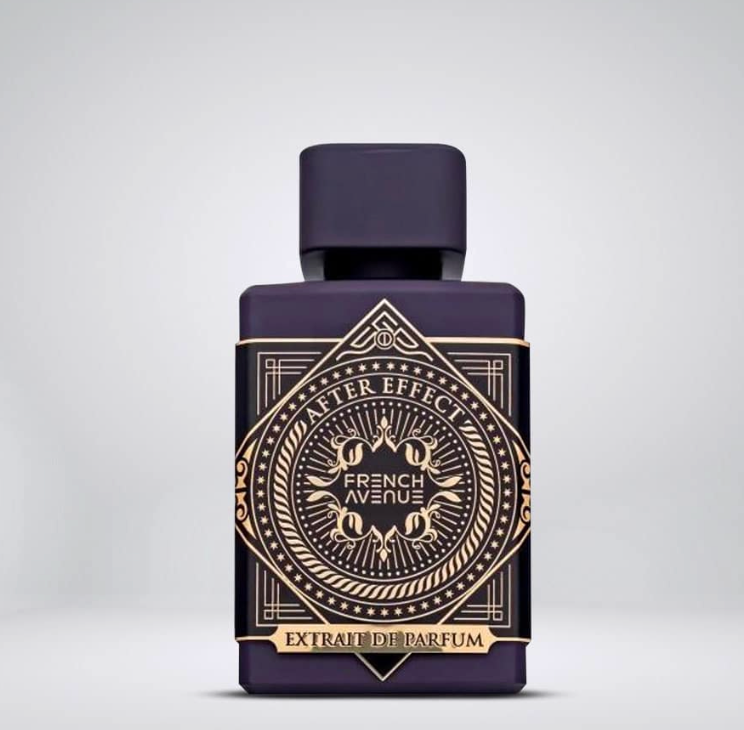
In the world of oriental perfumes and rare honeys, each ingredient tells a story. Precious resins, nocturnal flowers, amber woods or golden nectars: these sensory treasures are the fruit of ancient traditions where luxury was not measured by ostentation, but by the depth of the experience.
Today, this quest for authenticity goes beyond mere olfactory or gustatory pleasure. It extends to the realm of natural well-being, where certain ancestral roots and plants are experiencing a resurgence of interest. Among them, black maca, cultivated on the high Andean plateaus, intrigues with its history and traditional uses.
A return to high-quality raw materials
The world of oriental perfume rests on a simple philosophy: the quality of the raw materials is paramount. An exceptional oud , a rose absolute, or a rare honey owes nothing to chance. Climate, altitude, artisanal expertise: every detail influences the aromatic richness.
In the field of natural health, the logic is similar. A plant cultivated in its original environment, harvested and processed with care, retains very different properties from an industrialized product without traceability.
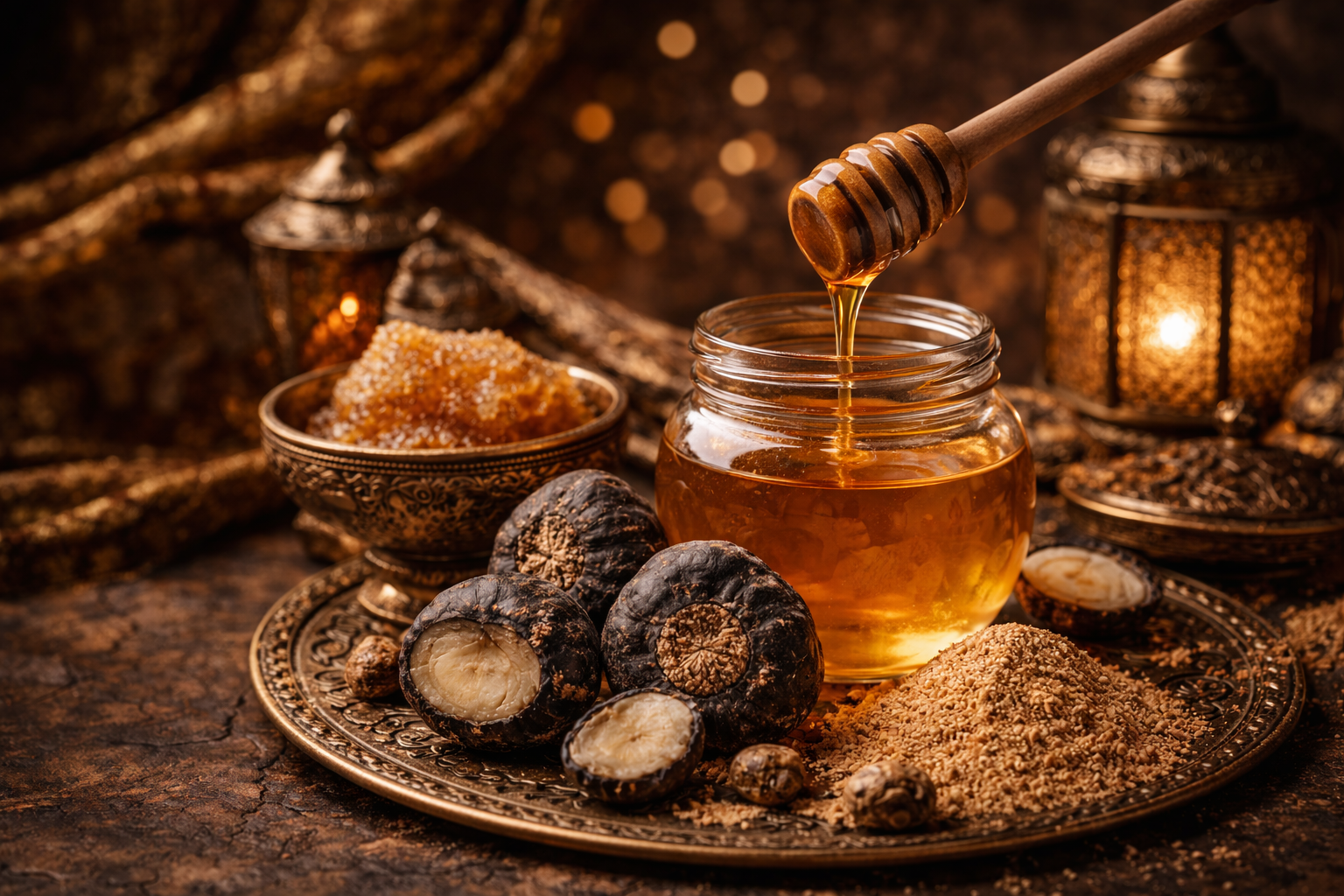
Black maca fits perfectly into this philosophy: a root traditionally cultivated in extreme conditions, at over 4000 meters altitude, where volcanic soils and the harsh climate concentrate its natural compounds.
The parallel between oriental perfumery and Andean rituals
In Eastern cultures, perfume is not merely aesthetic. It is ritualistic. Skin, clothing, and living spaces are perfumed. The act becomes meditative.
Similarly, in the Andes, certain plants like maca were integrated into rituals of vitality and endurance. They accompanied periods of intense cold, prolonged physical exertion, and agricultural cycles.
In both cases, it is not a matter of impulsive consumption, but of a respectful relationship with matter.
Rare honey and natural energy: a shared symbolism
Honey holds a special place in many Eastern traditions. A symbol of abundance, sweetness, and vital force, it was once reserved for precious occasions.
Black maca, on the other hand, is often associated with vitality and endurance . It doesn't promise miracles, but rather fits into a gradual approach to supporting the body .
What links these two worlds — noble honey and Andean root — is this idea of energy coming directly from nature, without excessive transformation.
Black maca: between tradition and modern research
While maca has been used in Peru for over two millennia, it is now the subject of scientific studies exploring its potential effects on:
- the feeling of energy
- hormonal balance
- male vitality
- resistance to stress
However, as with a rare perfume, everything depends on quality and selection. Not all black macaws available on the market are created equal.
To fully understand its benefits, potential side effects , and the criteria for choosing a quality product, this in-depth guide offers a complete analysis:
Black maca: benefits, dangers and how to choose it
The art of choice: a common requirement
Choosing a distinctive oriental perfume requires discernment. One must consider the concentration, the longevity, and the origin of the raw materials.
Similarly, selecting a quality black maca involves checking:
- authentic Peruvian origin
- the traditional drying method
- the absence of unnecessary additives
- manufacturer transparency
In both worlds, true luxury lies in purity.
A global way of life
Lovers of oriental perfumes seek a unique olfactory signature. Connoisseurs of rare honey seek a deep and authentic flavor. Natural health enthusiasts seek lasting vitality.
These quests are not so different. They reflect a common desire: to return to noble sources, to respected raw materials, and to a conscious approach to consumption.
Slowness as a modern luxury
In the age of instant gratification, true refinement may lie in slowing down. Taking the time to appreciate a complex fragrance. Savoring a rare floral honey. Observing the gradual effects of an adaptogenic herb.
Black maca doesn't transform life overnight. It's part of a ritual, like applying a fragrant oil or tasting a precious nectar.
Conclusion: common roots
From oriental honey to black maca from the Andes, a single thread connects these worlds: the appreciation of traditions, the nobility of raw materials and respect for the natural rhythm of the body.
In a world saturated with quick fixes, these ancestral treasures remind us that true luxury — whether olfactory or vital — lies in quality, patience, and knowledge.